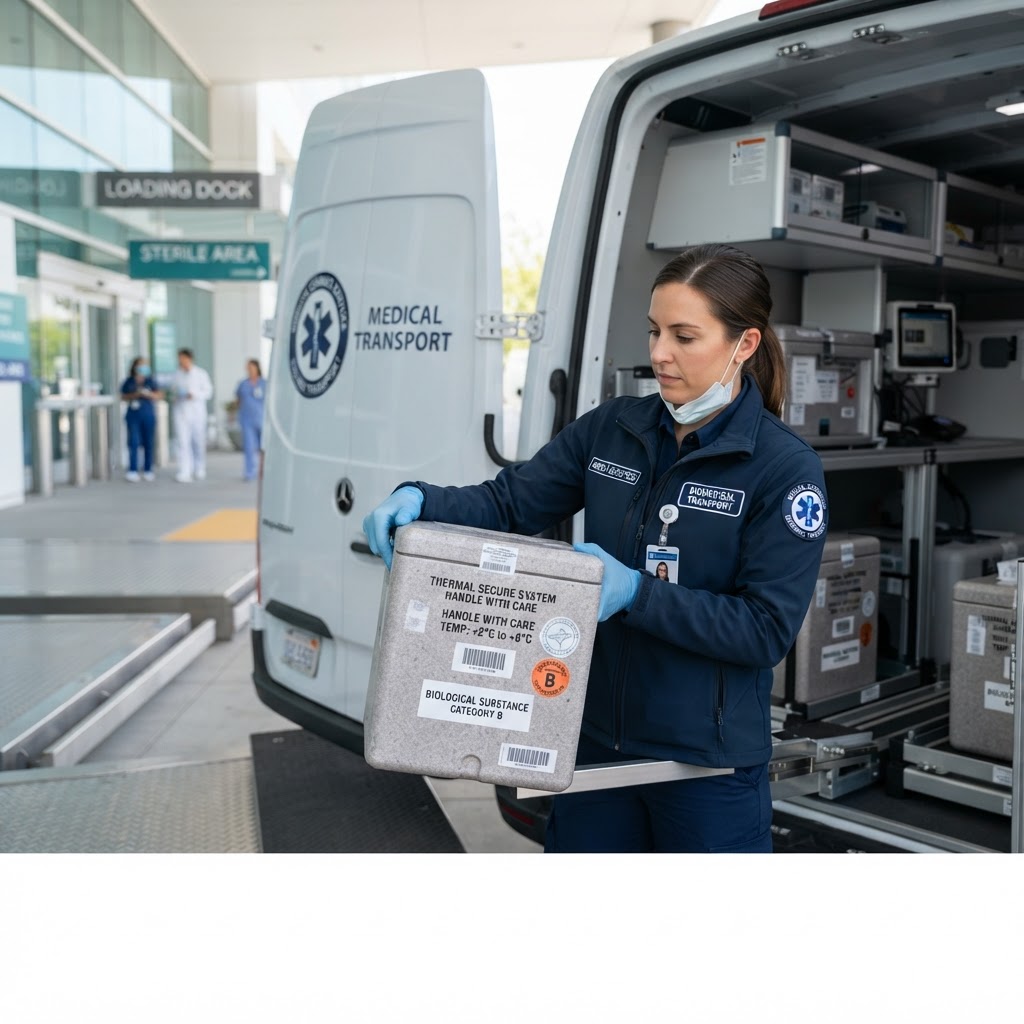
The Critical Role of Specialized Medical Courier Services in Modern Healthcare
The Intersection of Logistics and Patient Care
In the modern healthcare landscape, the movement of diagnostic specimens, pharmaceuticals, and life-critical medical equipment is far more than a simple delivery task. It is a vital extension of the clinical environment. Unlike general freight, medical logistics requires a specialized approach where timing, precision, and regulatory compliance intersect to ensure patient safety and diagnostic accuracy.
Why Specialized Logistics Matter
Healthcare workflows are increasingly time-bound. Laboratories depend on prompt specimen pickup and delivery to maintain sample viability, while pharmacies rely on secure, rapid transport to ensure patients receive medications without delay. When a courier service lacks clinical-grade protocols, the risk of temperature excursions, documentation gaps, and handling errors increases significantly. A qualified logistics partner acts as a safeguard, ensuring that the integrity of the medical product is preserved from the point of origin to the final destination.
The Pillars of Compliance: HIPAA and Beyond
Medical couriers are considered Business Associates under HIPAA regulations. This status is non-negotiable; because couriers have operational access to Protected Health Information (PHI) during transport, they must adhere to the HIPAA Security and Privacy Rules. Healthcare organizations should ensure that a formal Business Associate Agreement (BAA) is in place before any PHI is handled.
Beyond HIPAA, compliance extends to:
- OSHA Standards: Couriers must be trained in bloodborne pathogen protocols and understand how to handle potential leaks or container failures.
- DOT Regulations: Proper packaging and secondary containment are essential to prevent hazardous material incidents during transit.
- Accreditation Standards: Serious logistics providers align their operations with CAP, CLIA, and Joint Commission requirements to ensure their transport layer is audit-ready.
Mastering Chain of Custody and Cold Chain
Chain of custody is the documented, unbroken record of every person and process that handles a specimen. It is not merely a signature on a log; it is a comprehensive audit trail that includes timestamps, condition verification at transition points, and electronic signatures.
Similarly, cold chain management is a regulatory requirement, not an operational preference. With the rise of sensitive biologics and specialized pharmaceuticals, the FDA’s Current Good Manufacturing Practice (CGMP) regulations mandate strict temperature documentation. Using digital temperature loggers and insulated, validated shipping containers is the industry standard for preventing costly and dangerous temperature excursions.
Best Practices for Healthcare Facilities
To optimize your logistics strategy, healthcare facilities should:
- Verify Training Records: Do not assume compliance. Regularly audit your courier’s training records, exposure control plans, and HIPAA certification status.
- Standardize Handoffs: Implement clear, electronic documentation protocols for every handoff to minimize the risk of lost or misidentified specimens.
- Prioritize Technology: Utilize partners who offer real-time tracking and automated alerts. Predictive analytics can help identify potential delays before they impact patient care.
By treating medical courier services as a strategic partner rather than a commodity, healthcare organizations can reduce preanalytical errors, improve turnaround times, and ultimately provide a higher standard of care for their patients.