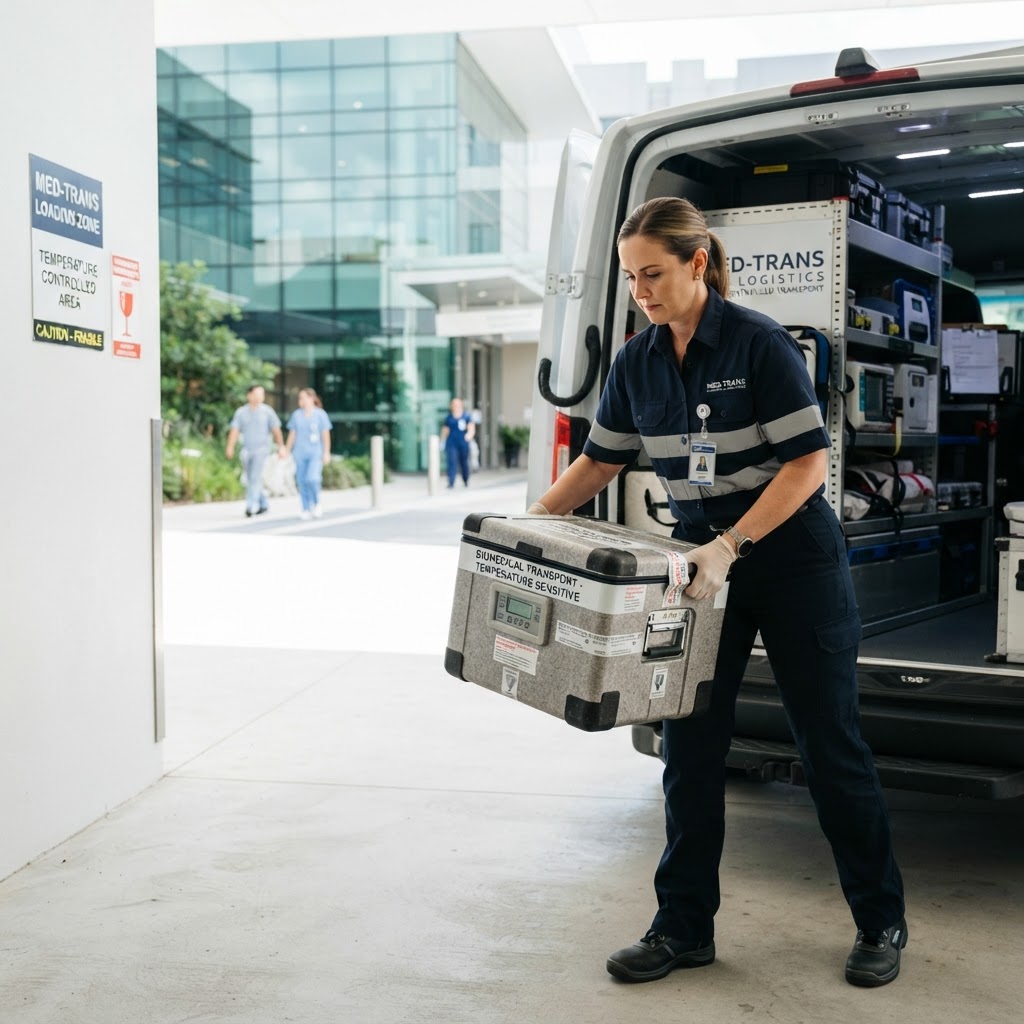
The Critical Role of Medical Courier Services in Modern Healthcare
The Vital Link in Healthcare Logistics
In the modern healthcare landscape, the journey of a medical specimen or a life-saving medication is just as critical as the clinical procedure itself. Medical courier services serve as the essential bridge between healthcare providers, laboratories, and patients. Unlike standard parcel delivery, medical logistics requires a specialized approach that prioritizes specimen integrity, regulatory compliance, and, above all, patient outcomes.
Understanding the Scope of Medical Delivery
Medical courier services encompass a wide range of specialized transport needs. From the urgent, time-sensitive delivery of biopsy samples to pathology labs to the temperature-controlled transport of vaccines and biological products, these services are engineered to handle high-acuity cargo.
Key categories of medical transport include:
- STAT and On-Demand Delivery: For urgent, time-critical shipments that cannot wait for scheduled routes.
- Scheduled Specimen Collection: The backbone of outreach programs, designed around laboratory centrifuge windows and specimen stability requirements.
- Cold Chain Logistics: Utilizing validated refrigerated, frozen, or cryogenic packaging to maintain the efficacy of biologics and specialty pharmaceuticals.
- Medical Equipment and Supplies: Ensuring the safe transport of sensitive diagnostic devices and surgical tools.
The Non-Negotiable: HIPAA Compliance
For any medical courier, HIPAA compliance is not optional—it is a fundamental operational requirement. Because medical couriers handle Protected Health Information (PHI) such as patient names, medical record numbers, and diagnostic requisitions, they are classified as Business Associates under HIPAA regulations.
To maintain compliance, healthcare facilities should ensure their courier partners provide:
- Documented Privacy Training: Regular HIPAA training for all drivers and staff.
- Chain-of-Custody Records: Detailed documentation of who had control of a shipment at every stage, from pickup to final delivery.
- Secure Handling Procedures: Use of opaque, sealed packaging to prevent unauthorized viewing of PHI during transit.
- Background Checks: Rigorous vetting of all personnel to ensure patient security.
Technology as a Catalyst for Reliability
Modern healthcare logistics is increasingly driven by technology. AI-powered dispatch systems are transforming the industry by optimizing routing, which reduces delivery times and minimizes the risk of specimen degradation. Real-time tracking and temperature monitoring provide healthcare facilities with unprecedented visibility into their supply chain.
By utilizing digital chain-of-custody platforms, providers can instantly verify handoffs and investigate exceptions, significantly reducing the rate of specimen rejections—a common issue that can delay patient care and impact laboratory revenue.
Best Practices for Packaging and Labeling
Effective packaging is the first line of defense against contamination and spoilage. Best practices include:
- Clear Identification: Labels must clearly display product names, batch numbers, and handling instructions.
- Regulatory Adherence: Compliance with IATA guidelines for dangerous goods and other federal standards is mandatory.
- Traceability: The use of barcodes, RFID tags, or QR codes ensures that every item is accounted for throughout the entire logistics chain.
Choosing the Right Partner
When selecting a medical courier, healthcare organizations should look beyond simple pricing. The most reliable partners offer a 'patient-first' focus, understanding that behind every package is a patient waiting for a diagnosis or treatment. Ask potential partners about their experience with BAA (Business Associate Agreement) discussions, their exception management protocols, and their ability to provide 24/7 support.
By partnering with a professional, technology-driven medical courier service, healthcare facilities can streamline their operations, reduce compliance risks, and ultimately improve the quality of care delivered to their patients.