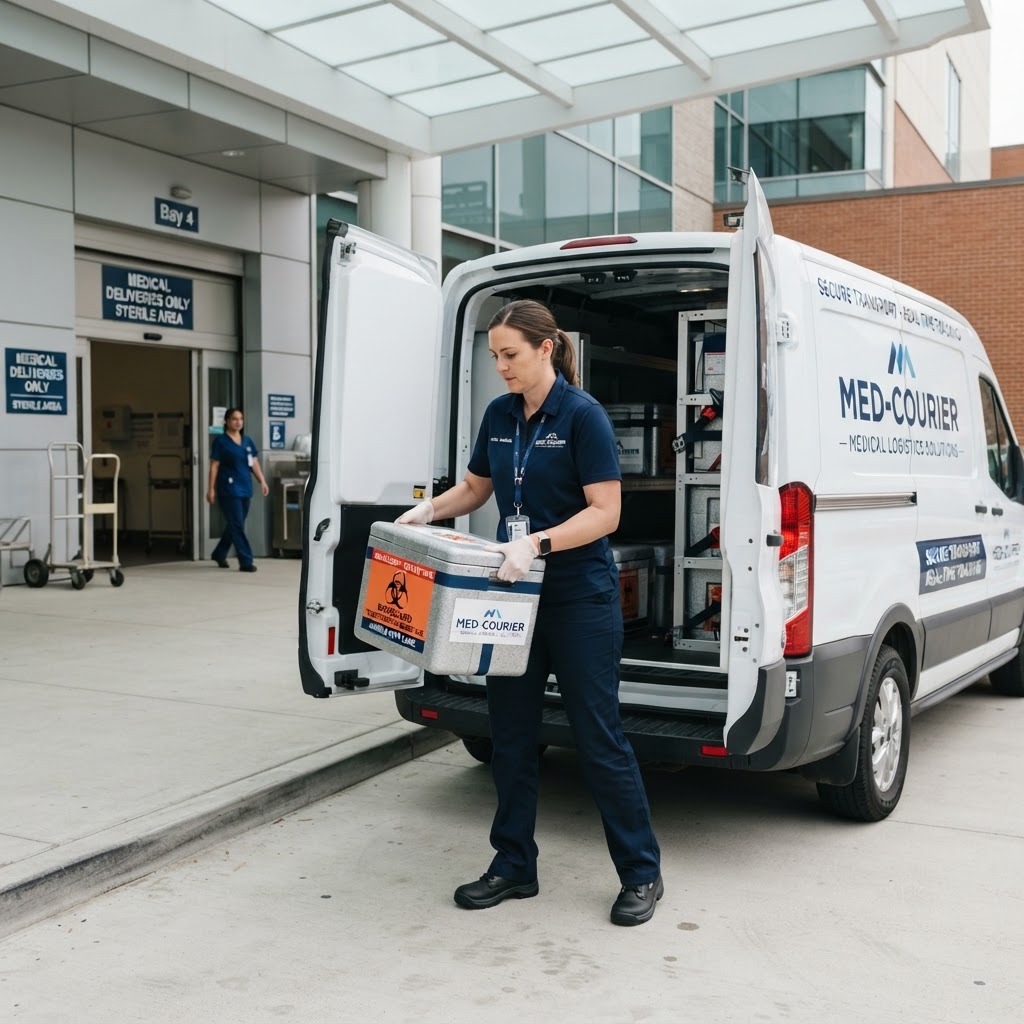
The Critical Role of Medical Courier Services in Modern Healthcare Logistics
The Backbone of Healthcare Delivery
In the fast-paced world of modern medicine, the quality of patient care is often dependent on the speed and reliability of the supply chain. Medical courier services are far more than simple delivery providers; they are a critical extension of the healthcare ecosystem. From the transport of time-sensitive diagnostic specimens to the distribution of life-saving pharmaceuticals, these logistics experts ensure that the right materials reach the right destination at the right time.
Navigating the Regulatory Landscape
Unlike standard parcel delivery, medical logistics operates under a complex web of federal and industry regulations. For healthcare facilities, ensuring that a courier partner is fully compliant is not just a best practice—it is a legal necessity.
- HIPAA Compliance: Because medical couriers frequently handle Protected Health Information (PHI), they must act as Business Associates. This requires rigorous training, the signing of Business Associate Agreements (BAAs), and the use of secure, encrypted tracking technology to maintain patient privacy.
- OSHA Standards: Couriers must be trained in the handling of biohazardous materials, bloodborne pathogens, and the proper disposal of medical equipment to protect both the public and the environment.
- DOT and IATA Regulations: When transporting pharmaceuticals or hazardous medical goods, couriers must adhere to Department of Transportation (DOT) and International Air Transport Association (IATA) guidelines to ensure safe transit, proper labeling, and secure packaging.
The Importance of Temperature-Controlled Logistics
Many medical products, including vaccines, blood samples, and biologics, are highly sensitive to environmental changes. Maintaining the 'cold chain' is paramount to preserving the integrity of these items. Professional medical couriers utilize both active and passive packaging systems—ranging from refrigerated vehicles to advanced phase-change materials like dry ice—to ensure that temperature-sensitive shipments remain within strict parameters from pickup to delivery.
Best Practices for Healthcare Facilities
To optimize your facility's logistics, consider these essential strategies when vetting or managing your courier partnerships:
- Prioritize Chain-of-Custody: Always require full chain-of-custody documentation. This includes timestamped digital proof of delivery, courier identification, and seal integrity confirmation to ensure accountability.
- Invest in Real-Time Visibility: Utilize couriers equipped with advanced GPS tracking and Electronic Proof of Delivery (ePOD) systems. Real-time monitoring allows for proactive management of potential delays, which is vital for time-sensitive diagnostic testing.
- Annual Training Refreshers: Ensure that your logistics partners conduct annual HIPAA and OSHA training. A certification program that supports annual renewal is the industry gold standard for maintaining compliance.
- Minimize PHI Exposure: Work with your courier to implement protocols that reduce the visibility of patient data, such as using coded identifiers on shipping labels rather than full patient names.
The Future of Medical Logistics
As the healthcare industry evolves with innovations like personalized medicine, gene therapy, and rapid point-of-care diagnostics, the demand for specialized logistics will only grow. The integration of predictive analytics and smart warehousing is already helping providers reduce specimen rejection rates and improve inventory accuracy. By partnering with a professional, compliant, and technology-driven medical courier, healthcare organizations can focus on what matters most: delivering exceptional patient outcomes.