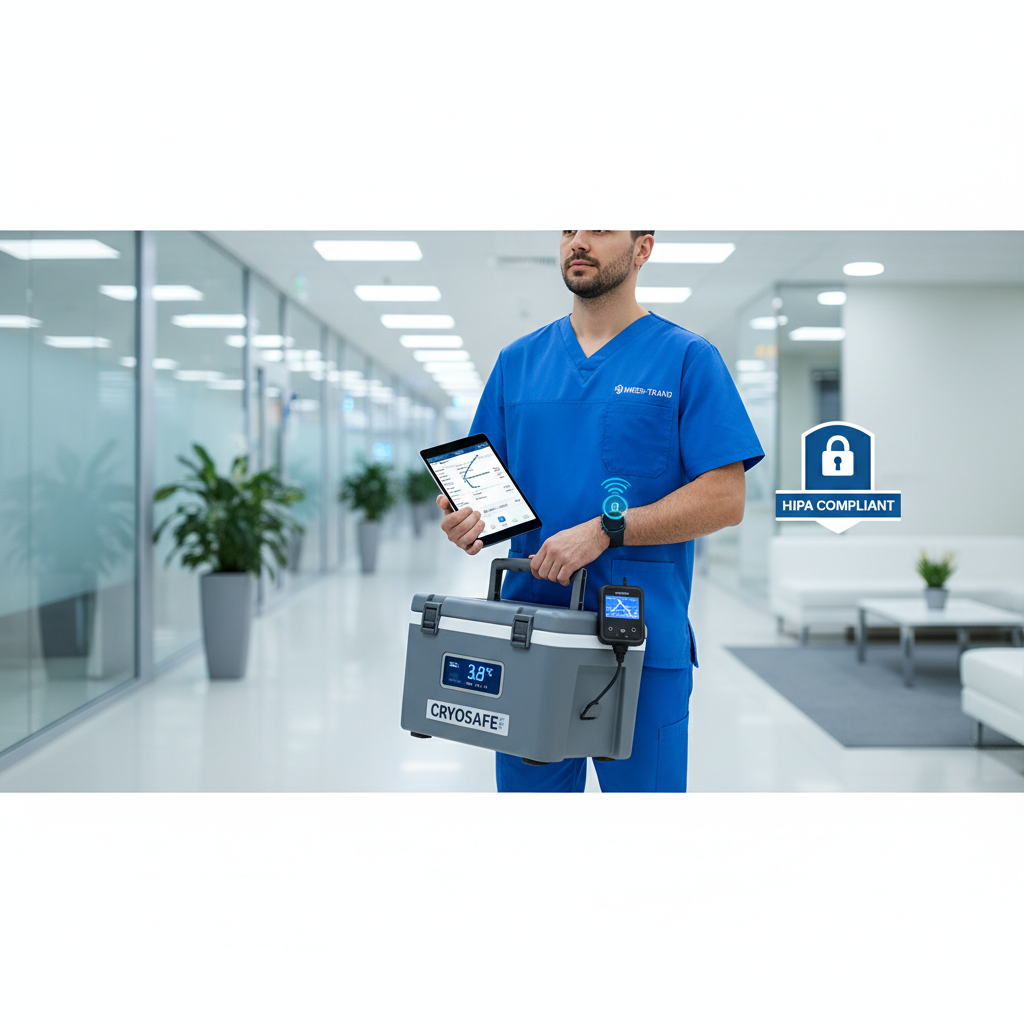
Ensuring Excellence in Medical Courier Services: A Comprehensive Guide for Healthcare Professionals
In the fast-paced world of healthcare, the timely and secure transport of medical specimens, pharmaceuticals, and sensitive documents is paramount. Medical courier services play a pivotal role in ensuring that these items reach their destinations without compromising patient safety or data integrity. This comprehensive guide delves into the essential components of medical courier services, offering healthcare professionals valuable insights to enhance their logistics operations.
The Critical Role of Medical Courier Services
Medical courier services are integral to the healthcare supply chain, facilitating the movement of:
- Diagnostic Specimens: Blood, urine, and tissue samples requiring prompt analysis.
- Pharmaceuticals: Medications, including temperature-sensitive biologics and controlled substances.
- Medical Equipment: Instruments and devices essential for patient care.
- Sensitive Documents: Patient records and other confidential information.
The efficiency and reliability of these services directly impact patient outcomes, making the selection of a competent courier service a critical decision for healthcare facilities.
HIPAA Compliance: Safeguarding Patient Information
The Health Insurance Portability and Accountability Act (HIPAA) mandates stringent protections for patient health information. Medical couriers handling such data must adhere to:
- Training and Awareness: Couriers should be well-versed in HIPAA regulations, understanding the nuances of the Privacy, Security, and Breach Notification Rules.
- Secure Handling Procedures: Implementing protocols to prevent unauthorized access during pickup, transit, and delivery.
- Chain of Custody Documentation: Maintaining detailed records of specimen handling to ensure traceability and accountability.
Best Practices for Specimen Transport
Ensuring the integrity of medical specimens during transport involves:
- Proper Packaging: Utilizing insulated containers and appropriate materials to protect specimens from temperature fluctuations and physical damage.
- Temperature Control: Adhering to specific temperature requirements for different specimens, such as maintaining blood samples at 2–8°C.
- Timely Delivery: Minimizing transit times to preserve specimen viability and ensure accurate diagnostic results.
Temperature-Controlled Delivery: Maintaining Specimen Integrity
Certain medical items are sensitive to temperature changes and require controlled environments during transport:
- Cold Chain Logistics: Employing validated coolers and temperature monitoring systems to maintain required temperatures.
- Real-Time Monitoring: Utilizing sensors and tracking systems to monitor and record temperature conditions throughout the delivery process.
- Contingency Planning: Establishing protocols to address temperature excursions promptly to prevent specimen degradation.
Navigating Healthcare Logistics Challenges
Healthcare logistics presents unique challenges, including:
- Regulatory Compliance: Adhering to HIPAA, OSHA, and Department of Transportation (DOT) regulations governing the transport of medical materials.
- Liability and Insurance: Ensuring that courier services carry appropriate insurance coverage to mitigate risks associated with potential breaches or mishandling.
- Technology Integration: Leveraging advanced tracking and communication technologies to enhance operational efficiency and transparency.
Current Trends in Medical Courier Services
The medical courier industry is evolving to meet the dynamic needs of healthcare:
- Digital Transformation: Implementing electronic chain of custody systems and digital documentation to streamline processes and reduce errors.
- Sustainability Initiatives: Adopting eco-friendly practices, such as using electric vehicles and sustainable packaging materials.
- Telemedicine Support: Facilitating the delivery of home testing kits and telehealth equipment to support remote patient care.
Selecting the Right Medical Courier Service
When choosing a medical courier service, healthcare professionals should consider:
- Experience and Reputation: Assessing the courier's track record in handling medical deliveries and their adherence to industry standards.
- Compliance Credentials: Verifying certifications and training related to HIPAA and other relevant regulations.
- Technology Capabilities: Evaluating the use of tracking systems, real-time monitoring, and digital documentation.
- Customer Support: Ensuring responsive and accessible support to address any issues or concerns promptly.
Conclusion
The efficiency and reliability of medical courier services are vital to the healthcare sector. By understanding and implementing best practices in HIPAA compliance, specimen transport, temperature-controlled delivery, and staying abreast of industry trends, healthcare professionals can enhance patient care and operational efficiency. Selecting a competent and compliant courier service is a strategic decision that contributes significantly to the overall quality of healthcare delivery.
Highlights:
- HIPAA-Compliant Courier Guide | carGO Health, Published on Tuesday, May 06
- Beyond Speed: The 5 Non-Negotiable Compliance Standards for Medical Couriers | Saguaro Transport, Published on Monday, January 19
- Healthcare Courier Solutions - Stat Courier