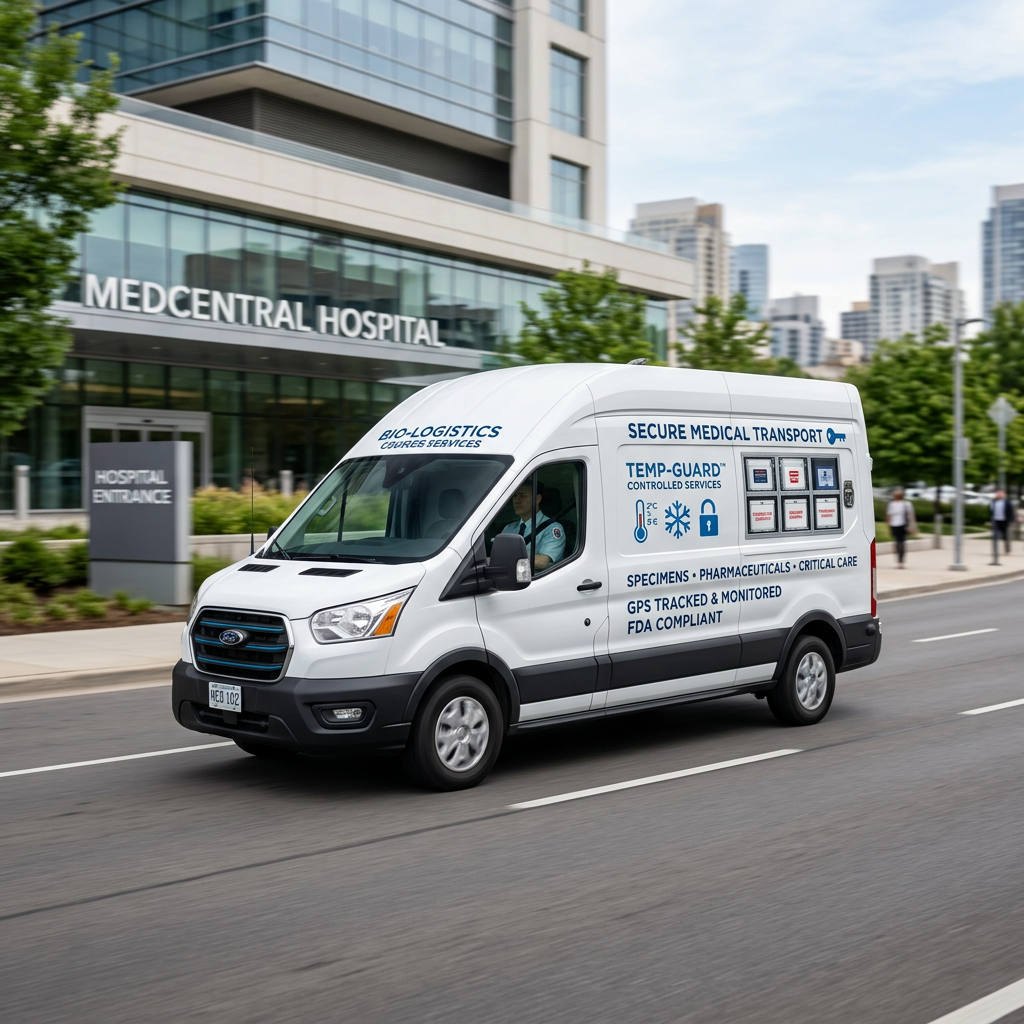
Ensuring Safe and Compliant Medical Courier Services: Best Practices and Insights
In the healthcare sector, the safe and efficient transport of medical materials is paramount. Medical courier services play a critical role in maintaining the integrity of specimens, pharmaceuticals, and sensitive equipment. This article delves into best practices for medical courier services, emphasizing HIPAA compliance, specimen transport, temperature-controlled delivery, and more to ensure safe and efficient healthcare logistics.
HIPAA Compliance in Medical Courier Services
The Health Insurance Portability and Accountability Act (HIPAA) sets stringent standards for protecting patient information. Medical couriers handling Protected Health Information (PHI) must implement robust safeguards to maintain confidentiality and security. Key compliance measures include:
-
Administrative Safeguards: Couriers should undergo comprehensive HIPAA training, sign Business Associate Agreements (BAAs) with healthcare providers, and conduct regular risk assessments to identify and mitigate vulnerabilities. (msihealthsolutions.com)
-
Physical Safeguards: Utilize secure storage solutions, such as locked compartments during transit, and employ tamper-proof packaging to prevent unauthorized access. (msihealthsolutions.com)
-
Technical Safeguards: Implement encrypted tracking systems and secure communication channels to protect PHI during transport. (msihealthsolutions.com)
Best Practices for Specimen Transport
Maintaining the integrity of medical specimens is crucial for accurate diagnostics and patient care. Best practices for specimen transport include:
-
Chain of Custody: Document every handoff and maintain an unbroken, auditable chain of custody to ensure accountability and traceability. (cargo.health)
-
Temperature Control: Implement temperature-controlled logistics to protect biological integrity, as many specimens are sensitive to thermal fluctuations. (pegasusdelivered.com)
-
Packaging and Labeling: Use appropriate packaging materials and clear labeling to prevent contamination and ensure safe handling.
Temperature-Controlled Delivery in Healthcare Logistics
Temperature-sensitive medical products, such as vaccines, biologics, and certain pharmaceuticals, require precise temperature control during transport to maintain efficacy and safety. Key considerations include:
-
Temperature Tiers: Understand and manage the five temperature tiers—ambient, refrigerated, frozen, ultra-cold, and cryogenic—to meet specific product requirements. (cargo.health)
-
Monitoring and Documentation: Utilize real-time monitoring systems to track temperature conditions throughout the delivery process and maintain detailed records for compliance and quality assurance. (cargo.health)
-
Regulatory Compliance: Ensure adherence to global standards and regulations governing temperature-controlled logistics to maintain product integrity and patient safety. (cryopdp.com)
Technology in Medical Courier Services
Advancements in technology have significantly enhanced the efficiency and reliability of medical courier services. Key technological integrations include:
-
Real-Time Tracking: Implement GPS and RFID technologies to provide real-time visibility of shipments, enhancing transparency and accountability.
-
Automated Documentation: Utilize digital platforms to automate documentation processes, reducing errors and ensuring compliance with regulatory standards.
-
Data Analytics: Leverage data analytics to optimize routes, predict delivery times, and improve overall operational efficiency.
Compliance with Industry Regulations
Medical courier services must adhere to various industry regulations to ensure safe and lawful operations. Key regulations include:
-
OSHA Compliance: Follow Occupational Safety and Health Administration guidelines to protect workers handling hazardous materials. (cargo.health)
-
DOT Compliance: Abide by Department of Transportation regulations for the safe transport of medical goods, including proper labeling and handling of hazardous materials. (cargo.health)
-
FDA Regulations: Ensure compliance with Food and Drug Administration standards for the transport of pharmaceuticals and biologics.
Tips for Healthcare Facilities
Healthcare facilities can enhance the effectiveness of medical courier services by:
-
Selecting Qualified Couriers: Partner with couriers that demonstrate compliance with HIPAA, OSHA, and DOT regulations.
-
Establishing Clear Protocols: Develop and communicate clear protocols for specimen collection, packaging, and handoff to couriers.
-
Regular Training: Provide ongoing training for staff on best practices for specimen handling and transport to maintain high standards of care.
Conclusion
The safe and compliant transport of medical materials is a cornerstone of effective healthcare delivery. By adhering to best practices in HIPAA compliance, specimen transport, temperature-controlled delivery, and leveraging technological advancements, medical courier services can ensure the integrity and safety of medical products, ultimately supporting better patient outcomes.
Highlights:
- Medical Courier Industry Blog: Insights and Best Practices | carGO Health, Published on Monday, March 09
- OSHA and DOT Compliance for Medical Couriers: Requirements and Penalties | carGO Health, Published on Monday, March 09
- HIPAA OSHA Compliance Delivery | carGO Health, Published on Thursday, January 30