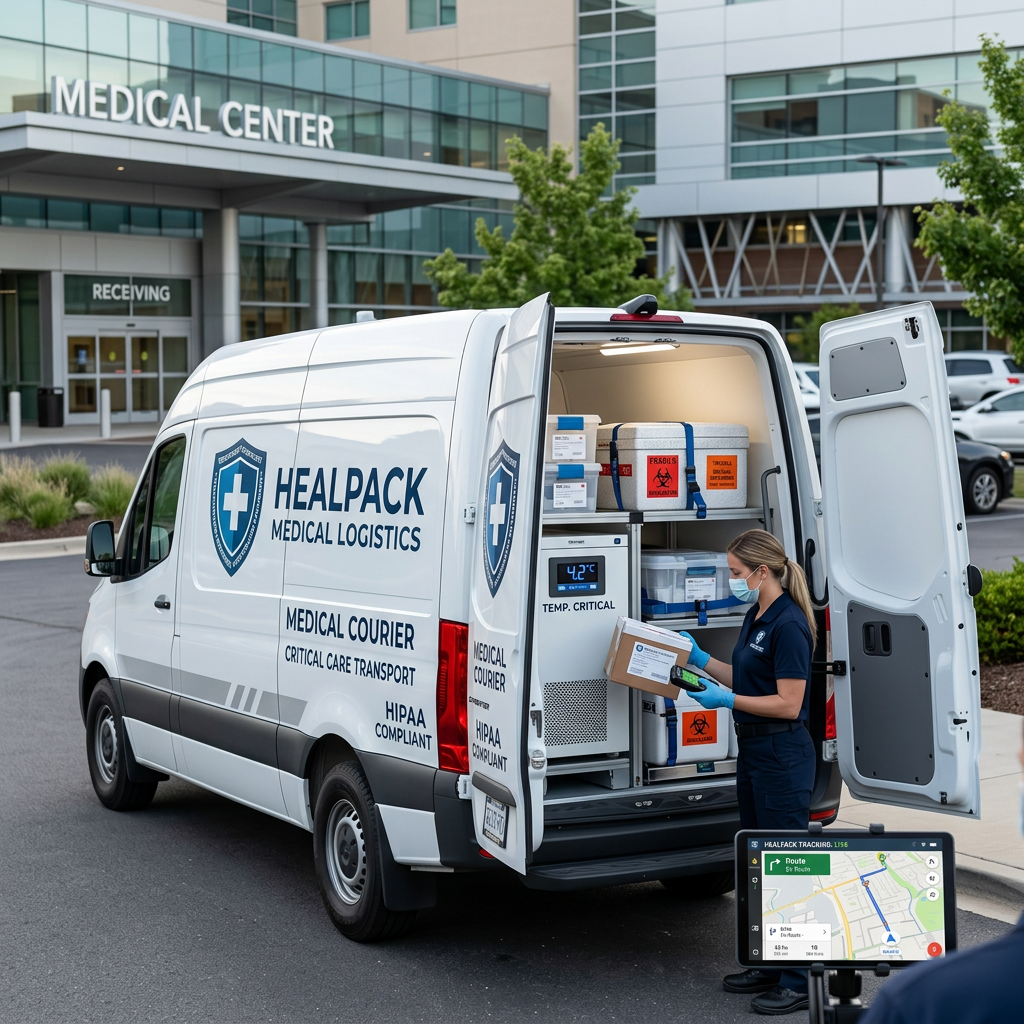
Ensuring Excellence in Medical Courier Services: Best Practices and Compliance
Medical courier services are integral to the healthcare sector, ensuring the timely and secure transportation of medical specimens, supplies, and equipment. The efficiency and reliability of these services directly impact patient care, diagnostic accuracy, and overall healthcare outcomes. This article delves into the best practices and compliance standards essential for medical courier services, emphasizing HIPAA adherence, specimen transport protocols, temperature-controlled delivery, and current industry trends.
The Critical Role of Medical Courier Services
Medical couriers are responsible for transporting a variety of items, including lab specimens, pharmaceuticals, medical equipment, and patient records. Their role is pivotal in maintaining the integrity and confidentiality of medical materials throughout the delivery process. A lapse in any part of this chain can lead to compromised patient safety, inaccurate diagnostics, and potential legal ramifications.
HIPAA Compliance: Safeguarding Patient Information
The Health Insurance Portability and Accountability Act (HIPAA) sets the standard for protecting sensitive patient information. Medical courier services must adhere to HIPAA regulations to ensure the confidentiality and security of protected health information (PHI). Key compliance measures include:
-
Secure Handling and Transportation: Utilizing tamper-proof packaging and secure vehicles to prevent unauthorized access to PHI.
-
Chain of Custody Documentation: Maintaining detailed records of each transfer, including timestamps and personnel involved, to ensure accountability.
-
Employee Training: Regular training programs for couriers on HIPAA regulations and best practices for handling sensitive materials.
For instance, companies like Stratus Government Services LLC emphasize HIPAA compliance by implementing Business Associate Agreements and HIPAA-aligned protocols for PHI, along with complete documentation and tracking for medical specimens and controlled materials. (stratusgov.com)
Specimen Transport Best Practices
The accurate collection, handling, and transportation of medical specimens are vital for reliable diagnostics and patient safety. Best practices include:
-
Proper Packaging and Labeling: Ensuring specimens are packaged in leak-proof, puncture-resistant containers with clear labeling to prevent contamination and facilitate proper handling.
-
Temperature Control: Maintaining appropriate temperatures during transit to preserve specimen integrity. This may involve using insulated containers and monitoring devices.
-
Timely Delivery: Adhering to scheduled delivery times to prevent delays that could compromise specimen quality.
-
Chain of Custody: Documenting each step of the specimen's journey to maintain accountability and traceability.
Training programs, such as the Medical Courier: Specimen Collection and Transportation Best Practices Course, are designed to equip couriers and healthcare staff with the necessary skills to perform these tasks responsibly and efficiently. (training-hipaa.net)
Temperature-Controlled Delivery: Preserving Medical Integrity
Many medical items, including vaccines, blood products, and certain pharmaceuticals, require strict temperature control to remain effective. Medical courier services must implement:
-
Temperature Monitoring: Utilizing real-time temperature monitoring systems to ensure compliance with required temperature ranges.
-
Insulated Packaging: Employing insulated containers and phase-change materials to maintain temperature stability during transit.
-
Emergency Protocols: Establishing procedures to address temperature excursions, including immediate reporting and corrective actions.
Companies like Florida Reliable Courier Delivery offer temperature-controlled medical delivery services, ensuring the integrity of sensitive medical items throughout transit. (floridareliablecourierdelivery.com)
Leveraging Technology in Medical Courier Services
Advancements in technology have significantly enhanced the efficiency and reliability of medical courier services. Key technological integrations include:
-
Real-Time Tracking: Providing GPS tracking and electronic proof of delivery to offer real-time visibility and accountability.
-
Automated Scheduling: Utilizing software solutions for optimized route planning and scheduling to improve delivery times and reduce costs.
-
Temperature Monitoring Devices: Incorporating IoT-enabled devices to monitor and record temperature conditions during transit, ensuring compliance with regulatory standards.
For example, Stratus Government Services LLC employs GPS tracking with electronic proof of delivery and real-time visibility to enhance service reliability. (stratusgov.com)
Industry Regulations and Compliance Standards
Medical courier services must comply with various industry regulations, including:
-
DOT and IATA Regulations: Adhering to packaging and labeling requirements for hazardous materials during transportation.
-
OSHA Standards: Implementing safety protocols to protect couriers from exposure to hazardous materials.
-
FDA Guidelines: Ensuring compliance with regulations related to the transportation of pharmaceuticals and medical devices.
Regular audits and continuous training are essential to maintain compliance and uphold service quality.
Current Trends in Medical Logistics
The medical logistics sector is evolving with trends such as:
-
Sustainability Initiatives: Adopting eco-friendly practices, including the use of electric vehicles and sustainable packaging materials.
-
Data Analytics: Utilizing data analytics to predict demand, optimize routes, and improve service efficiency.
-
Telemedicine Integration: Supporting the growth of telemedicine by ensuring the reliable delivery of medical supplies and equipment to remote locations.
Conclusion
Medical courier services are a cornerstone of the healthcare delivery system, directly influencing patient care and operational efficiency. By adhering to best practices, ensuring compliance with regulations, and embracing technological advancements, medical courier services can continue to meet the evolving needs of the healthcare industry.
For healthcare professionals seeking to enhance their understanding of medical courier services, resources such as the Medical Courier: Specimen Collection and Transportation Best Practices Course offer valuable insights and training opportunities. (training-hipaa.net)
By prioritizing these practices, healthcare facilities can ensure the safe and efficient delivery of medical materials, ultimately contributing to improved patient outcomes and the advancement of healthcare services.
Highlights:
- Best Practices for a Medical Courier | Stat Experts, Published on Tuesday, May 09
- Medical Courier Services Los Angeles | Medical Specimen Delivery, Published on Thursday, February 06
- Cold Chain Logistics: Innovations in Medical Courier Vehicles for Temperature-Sensitive Deliveries - Medical Courier Cash, Published on Friday, January 16